
Changing people's lives through safe water
Providing sustainable access to safe water, sanitation and hygiene for communities around the world.
About Us:
At WATERisLIFE, we believe that access to clean water is essential for every person. Through innovative water filtration and sanitation solutions, we bring safe drinking water to underserved communities across Africa and Latin America, creating lasting improvements in health, education, and quality of life.
Our Impact:
At WATERisLIFE, we believe lasting impact goes beyond completing a project. That’s why we work alongside every community to understand their unique needs. We listen to the people who live there, evaluate the most effective solutions together, and develop projects that are sustainable, practical, and community-led.
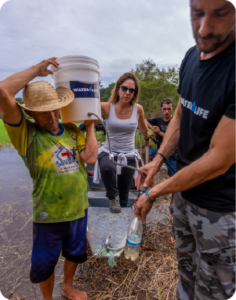
Every community is different. That’s why we work side by side with local leaders and families to identify the most reliable and feasible solution for their needs. Learn more
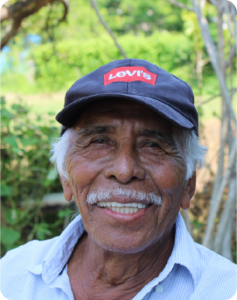
Hear directly from the communities, partners, and donors. Their stories show how access to safe water transforms lives, and how your support makes it possible. Learn more
4.4 billion people lack safe water and sanitation
That’s half of the world without a basic human right. No safe water to drink, no toilets, no showers.
More than double the 2020 estimate. Learn more

Water projects implemented

People impacted

Countries
Water projects implemented
People impacted
Countries
BECAUSE 30-50% OF WATER PROJECTS FAIL GLOBALLY,WATERisLIFE STEPS IN AND DOES THINGS DIFFERENTLY
Not because there’s no money — but because there’s no long-term commitment.
Lack of community ownership, unrealistic expectations, and poor planning have made the global water crisis even worse.
We stay. We listen. We build with people — for lasting change.
This is more than a water project.
This is a movement of people changing lives—
beginning with their own.
This isn’t just a story about water. It’s a story about people. And it’s still being written.
This is more than a water project.
This is a movement of people changing lives—
beginning with their own.
This isn’t just a story about water. It’s a story about people. And it’s still being written.
OUR EXECUTIVE DIRECTOR IN TED TALKS
Coté addressed the invisible water crisis, highlighting the reality of millions of people who don’t have access to safe drinking water, the important role of water awareness and its consumption, and she emphasized how this affects health, education and the environment.
Watch the talk, comment and help us spread the word about the invisible water crisis.
OUR COMMITMENT: SUSTAINABLE DEVELOPMENT GOALS
Our framework aligns with the Sustainable Development Goals and the 2030 Agenda.
While our primary focus is on ensuring access to clean water and sanitation (Goal N.6), we recognize that this initiative extends beyond fulfilling a fundamental human necessity; it’s the foundation for improved health, education, gender equality and economic opportunity.
Families without access to safe water spend more time and money to obtain it, which perpetuates poverty. Improving access reduces costs, improves health, and creates economic opportunities.
Water is essential for agriculture and food preparation. Without clean and reliable water, crops fail, livestock suffer, and food insecurity increases.
Contaminated water causes diseases such as diarrhea, cholera, and parasites. Ensuring clean water and sanitation prevents these illnesses, especially in children.
Families without access to safe water spend more time and money to obtain it, which perpetuates poverty. Improving access reduces costs, improves health, and creates economic opportunities.
Water is essential for agriculture and food preparation. Without clean and reliable water, crops fail, livestock suffer, and food insecurity increases.
Contaminated water causes diseases such as diarrhea, cholera, and parasites. Ensuring clean water and sanitation prevents these illnesses, especially in children.
Children miss school due to water-related illnesses or long walks to fetch water. Inadequate sanitation facilities also cause many girls to drop out during menstruation.
In many communities, women and girls are responsible for collecting water, which limits their education, employment, and participation. Safe and nearby water access gives them back time and freedom.
Globally, at least 2 billion people use a drinking water source contaminated with faeces.
Healthy communities are more productive. Reliable water access supports small businesses, agriculture, and economic development.
Investing in water systems—such as filtration, storage, and distribution—drives the development of resilient infrastructure, fosters innovation, and can stimulate local industries, especially in underserved areas.
The most marginalized populations often lack access to basic services. Investing in clean water helps reduce territorial and social inequalities.
Informal urban settlements often lack basic services. Providing water and sanitation improves health, safety, and dignity, making cities more inclusive and sustainable.
Climate change affects water availability. Implementing resilient water solutions helps communities adapt to climate impacts.
Achieving universal access to clean water requires strong partnerships across governments, civil society, private sector, and communities.